


Why Fall HVAC Maintenance Saves Money, Improves Air Quality and Boosts Comfort

The first cold snap has a way of exposing every weak spot in a heating system. A dusty filter strains the blower. A clogged vent leaves a bedroom chilly. A furnace that seemed fine in March suddenly makes odd noises in October.
That is why fall is the best time to give an HVAC system attention before it has to work hard every day. The weather is mild, appointment schedules are often easier than mid-winter emergency calls, and small problems are easier to fix before they turn into expensive repairs.
Fall HVAC maintenance is not just about preventing a breakdown. It can lower energy use, help indoor air feel cleaner, and make the home more comfortable through the colder months. A little work now can spare a lot of frustration later.

Fall gives HVAC systems the reset they need
Most HVAC systems work hard in summer, then shift quickly into heating season. Dust, pollen, pet hair, and debris can build up during months of cooling. When the heat turns on, that buildup can affect airflow and comfort.
Fall creates a useful pause between heavy cooling and heavy heating. In many parts of the U.S., the system may run less often during this season. That makes it a practical time to inspect, clean, and correct issues before the equipment faces steady winter demand.
A fall tune-up also helps homeowners avoid the rush. HVAC companies tend to get busy when temperatures drop sharply and furnaces start failing. Scheduling maintenance before the first deep freeze can mean faster service and less stress.
There is another simple reason fall makes sense. When filters, ducts, vents, coils, and moving parts are clean, the system does not have to fight as hard to move air. That can support better performance from the first chilly evening of the season.
Clean filters and ducts can help lower energy costs
Heating and cooling usually account for a large share of household energy use. When airflow is restricted, the system may run longer to reach the thermostat setting. That extra runtime can show up on utility bills.
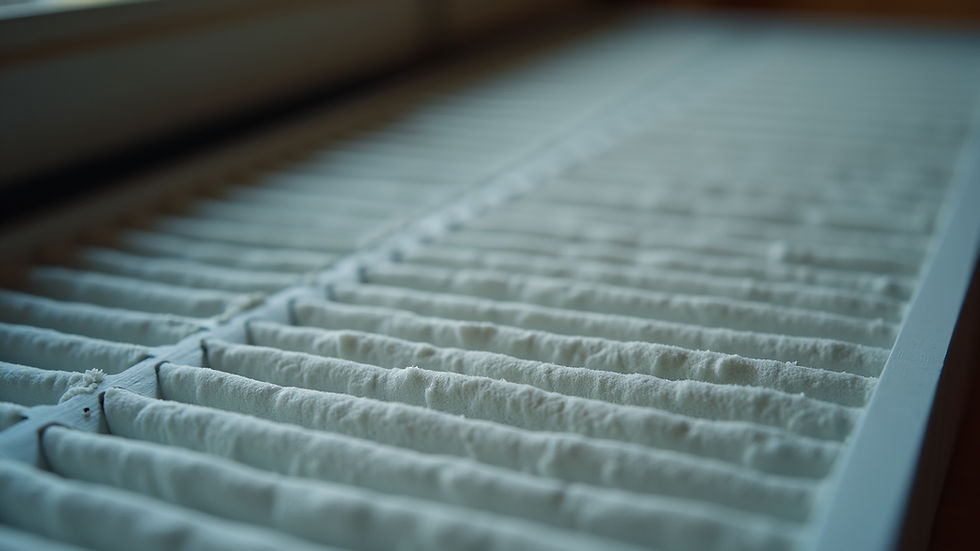
A dirty air filter is one of the most common causes of poor airflow. It sits in the path of moving air and traps dust and particles. Over time, it fills up. When it gets clogged, the blower has to push air through a tighter space.
That strain can lead to several problems:
Longer heating cycles
Uneven temperatures from room to room
Higher energy use
More wear on blower motors and other parts
Reduced comfort even when the thermostat is set correctly
Changing the filter is one of the cheapest and easiest HVAC tasks, yet it has a major effect on system performance. Many homes need a filter change every one to three months, depending on the filter type, pets, household dust, and how often the system runs.
Ducts matter too. Leaky, dusty, or obstructed ductwork can waste heated air before it reaches living spaces. Some dust on vent covers is normal, but heavy buildup, musty odors, or visible debris may point to a deeper issue.
Not every home needs full duct cleaning every year. Still, fall is a smart time to inspect supply and return vents, vacuum accessible grilles, and look for signs that ducts need professional attention.
A clean system does not have to work as hard to do the same job. That is where much of the savings starts.
Better maintenance supports better indoor air quality
Cold weather keeps windows closed more often. That means indoor air gets recirculated through the HVAC system again and again. If filters are clogged or vents are dusty, the air can feel stale, dry, or irritating.
A well-maintained system helps reduce the amount of dust and debris moving through the home. It cannot solve every indoor air problem, but it plays a direct role in how clean the air feels.
Common indoor air concerns during fall and winter include:
Dust stirred up by heating cycles
Pet dander trapped in carpets and upholstery
Pollen carried indoors on shoes and clothing
Mold or mildew odors from damp areas
Dry air that can make dust more noticeable
Changing filters regularly helps capture airborne particles before they settle throughout the home. Using the right filter also matters. A filter with a higher rating may capture smaller particles, but it must still be compatible with the system. A filter that is too restrictive can reduce airflow and strain equipment.
This is where a professional inspection can help. A technician can confirm which filter type fits the system and whether airflow remains within a healthy range.
Humidity also affects indoor comfort and air quality. Heated indoor air can feel dry in winter. If the home has a whole-house humidifier, fall is the time to inspect its pad, water line, and settings. If it has a dehumidifier connected to the HVAC system, it should also be checked for proper drainage and cleanliness.

Comfort improves when airflow is balanced
A heating system can be running and still fail to keep the home comfortable. One room may feel too warm while another stays cold. The thermostat may hit the set temperature, but the house still feels uneven.
Fall maintenance helps catch the small issues that cause those comfort problems.
Start with airflow. Furniture, rugs, curtains, and storage boxes can block vents and returns. Even a partially blocked return grille can affect how well air circulates. Walk through the home and make sure every supply vent and return has clear space around it.
Next, check the thermostat. A thermostat placed near a sunny window, drafty hallway, lamp, or heat-producing appliance may read the wrong temperature. That can make the system short cycle or run longer than needed.
Then pay attention to sounds and smells. A faint dusty smell the first time heat runs can be common as dust burns off. But strong burning smells, gas odors, metallic noises, grinding, rattling, or repeated clicking should be checked right away.
Comfort also depends on insulation and sealing. HVAC maintenance will not fix every draft, but it can reveal patterns. If the system is clean and working properly, yet certain rooms stay cold, the issue may be air leaks, poor insulation, or duct design.
A fall inspection gives time to address those problems before freezing nights arrive.
A step-by-step fall HVAC maintenance guide
A good fall maintenance routine does not need to be complicated. Focus on the parts that affect airflow, cleanliness, safety, and heating performance.
1. Replace or inspect the air filter
Start with the filter because it affects nearly everything else. Turn off the system before removing it. Slide the filter out and look at the surface.
Replace it if it looks gray, dusty, matted, or clogged. Make sure the new filter matches the correct size and points in the direction of airflow. Most filters have an arrow printed on the frame.
For homes with pets, allergies, heavy dust, or frequent HVAC use, filters may need attention more often. Mark the replacement date on the filter frame or set a phone reminder.
Do not run the system without a filter. That can allow dust to collect inside the equipment and ductwork.
2. Clean supply vents and return grilles
Dust collects around vents through normal use. Remove vent covers if they are easy to access, then vacuum both sides. Use a brush attachment to loosen dust from slats and edges.
Wipe covers with a damp cloth and let them dry before reinstalling. While cleaning, check that dampers are open and vents are not blocked by furniture.
Return grilles are especially important because they pull air back into the system. A dusty return can reduce airflow and spread particles through the home.
3. Check visible duct areas
Look at any accessible ductwork in basements, crawl spaces, attics, utility rooms, or closets. Watch for disconnected sections, crushed flexible ducts, loose tape, gaps, or signs of moisture.
Small duct leaks can reduce comfort and waste heated air. Major duct problems should be handled by a professional, especially in hard-to-reach areas.
Also notice whether dust builds up quickly after cleaning vents. Heavy or unusual debris may mean the duct system needs a closer inspection.

4. Clear the outdoor unit
If the system includes a heat pump or central air conditioning unit, the outdoor unit needs attention even in fall. Leaves, sticks, grass clippings, and dirt can collect around it.
Turn off power to the unit before cleaning around it. Remove debris from the surrounding area and keep plants trimmed back to allow airflow. Do not use sharp tools inside the unit, and avoid bending delicate fins.
For heat pumps, this step matters through winter because the outdoor unit remains part of the heating process.
5. Test the thermostat
Switch the thermostat from cooling to heating before cold weather arrives. Raise the setting a few degrees and listen for the system to start.
Check whether warm air comes from the vents after a short time. If the system does not respond, cycles too quickly, or blows cool air for too long, schedule service.
If the thermostat uses batteries, replace them in fall. A weak battery can cause confusing system problems at the worst time.
Smart thermostats should also be reviewed. Make sure the schedule matches fall routines, especially if work, school, or travel patterns have changed.
6. Listen for unusual sounds
Run the heating system long enough to observe it. Pay attention to banging, squealing, scraping, grinding, or repeated clicking.
Some systems make normal startup sounds. New or loud noises are different. They can point to worn belts, loose panels, ignition issues, motor problems, or airflow restrictions.
Catching these sounds early can prevent a small repair from becoming a no-heat emergency.
7. Check the area around the furnace or air handler
Keep the area around indoor HVAC equipment clean and clear. Do not store paint, cardboard, cleaning chemicals, or flammable materials close to the furnace.
Look for water around the unit, rust, soot, or loose panels. If the system has a condensate drain, make sure the drain line is not clogged or leaking.
Gas furnaces need special care. If there is a gas smell, leave the home and contact the gas utility or emergency services from a safe location.
8. Schedule a professional inspection
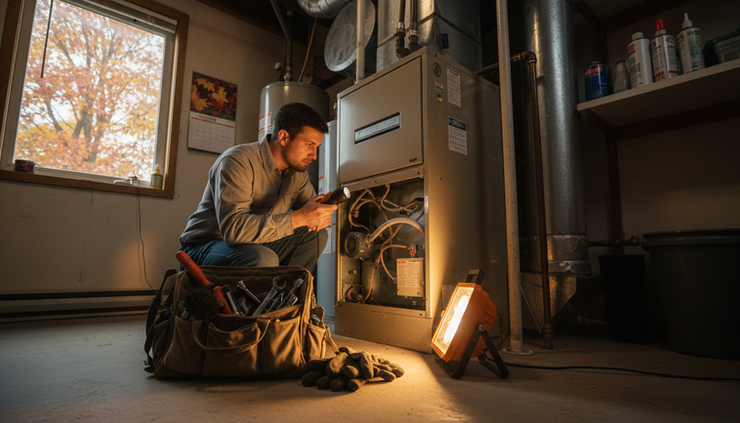
Homeowners can handle basic cleaning and filter changes, but a trained technician should inspect internal parts. A professional fall tune-up may include checking electrical connections, burners, ignition systems, blower components, safety controls, refrigerant levels for heat pumps, and overall system operation.
Professional maintenance is especially important for older systems, gas furnaces, heat pumps, and homes that had comfort problems during the previous season.
A technician can also identify parts that are wearing down before they fail. That gives time to plan repairs instead of reacting to a breakdown during a cold spell.
What homeowners can do and what should be left to a pro
Some HVAC tasks are safe and simple. Others need tools, training, and safety knowledge. Knowing the difference protects both the system and the home.
Homeowner-friendly tasks | Professional service tasks |
Replace air filters | Inspect burners and ignition systems |
Vacuum vent covers and return grilles | Test safety controls |
Clear leaves around outdoor units | Check electrical components |
Test thermostat settings | Diagnose airflow and duct pressure issues |
Look for visible duct damage | Service motors, belts, and internal parts |
Keep equipment area clear | Inspect gas lines and heat exchangers |
The main rule is simple. If a task involves gas, electrical components, sealed refrigerant lines, internal furnace parts, or hard-to-reach ductwork, call a professional.
DIY maintenance works best as prevention. Professional service works best as protection.
Signs your HVAC system needs attention before winter
Fall maintenance often reveals warning signs. Do not ignore them just because the system still turns on.
Call for service if you notice:
Weak airflow from multiple vents
Rooms that never reach the thermostat setting
Short cycling, where the system turns on and off often
Unusual burning, musty, or gas-like smells
Loud rattling, grinding, or squealing
A sudden rise in energy bills without a clear reason
Excess dust even after cleaning
Water pooling near the indoor unit
A yellow or flickering furnace flame, if visible
Some issues are minor. Others can affect safety or lead to expensive repairs. The benefit of handling them in fall is timing. There is usually more room to schedule service, compare repair options, and avoid emergency rates.
A simple fall maintenance schedule
A seasonal routine makes HVAC care easier to remember. Use this as a practical guide.
Early fall
Replace the air filter, clean vents, test the thermostat, and schedule professional maintenance.
Mid-fall
Clear leaves and debris around the outdoor unit. Check that vents stay open and unobstructed as furniture and rugs shift for colder weather.
Late fall
Run the heat before freezing temperatures arrive. Listen for new noises and confirm each room feels comfortable.
Throughout winter
Check the filter monthly and replace it when dirty. Keep snow, ice, and debris away from outdoor heat pump units. Watch for comfort changes that might signal a new problem.
This rhythm takes little time, but it keeps HVAC care from becoming a last-minute scramble.
Fall maintenance pays off all season
A heating system does not need to fail completely to cost more than it should. A clogged filter, dusty return, blocked vent, or neglected inspection can quietly raise energy use and reduce comfort for months.
Fall is the ideal time to get ahead of those problems. The system is coming off summer use, winter demand has not fully arrived, and there is still time to fix weak spots before cold weather settles in.
Start with the basics. Change the filter. Clean the vents. Check airflow. Clear the outdoor unit. Test the thermostat. Then schedule a professional inspection for the parts you cannot see or safely service yourself.
A cleaner, well-maintained HVAC system can help the home feel warmer, the air feel fresher, and the monthly bills feel more manageable. The best time to prepare for winter is before the furnace becomes the most important appliance in the house.


Comments